Screening Media Compared: Wire Mesh, Polyurethane and Rubber
Screening
December 02, 2025
Screen media is usually replaced with whatever was there before, which quietly locks in whatever compromise was made when the plant was commissioned. Since media choice affects throughput, wear life, blinding and how long a changeover takes, it is worth revisiting whenever the feed material or the production target changes.

“Media is replaced far more often than it is reconsidered — which is why so many screens run below their potential.”
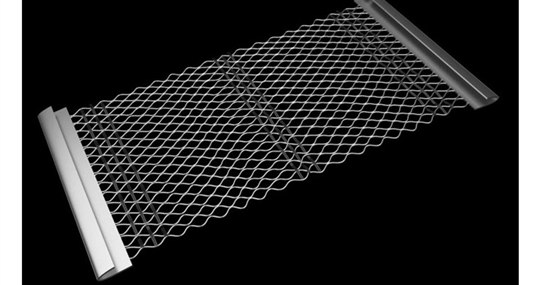
Woven wire mesh gives the highest open area and the sharpest cut, making it the first choice where accuracy and throughput matter most. High tensile steel provides strength for demanding duty, stainless steel handles corrosive or hygienic applications, and galvanised options offer cost-effective protection for general work.
Its limitation is wear life under heavy abrasion, and a tendency to blind with damp or sticky material — which is where synthetic media becomes a serious alternative rather than a compromise.
Polyurethane, Rubber and Ripple Options
Polyurethane modular panels last considerably longer than wire under abrasive conditions and are quick to change section by section, reducing downtime. Cross-tensioned polyurethane and rubber screens suit heavier impact duty, and flip-flop mats flex continuously to keep near-size and damp material moving where a rigid deck would blind.
Ripple and wedge wire options address particular problems again: ripple profiles help material stratify and travel, while wedge wire gives a precise, non-blinding slot for dewatering. The right specification usually comes from the material and the duty cycle — and is worth confirming rather than inheriting.